Back to Resources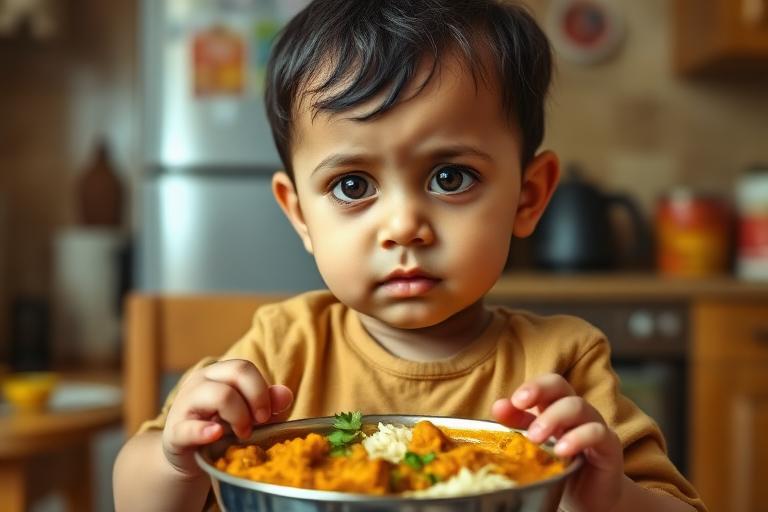
Gut Health 6 min read Feb 10, 2026
Constipation, Picky Eating & Power Struggles: What Your Toddler's Gut Is Trying to Say
Meals at home might turn into small wars instead of shared times — with refusals, crying, even silent clashes near the broccoli. It's common, hidden beneath the surface is something quiet: your child's stomach doing unspoken work.
When a kid resists food, gets upset during meals, or struggles to go regularly, it often points to more than just habits. Their body might be signaling deeper imbalance — something inside isn't flowing smoothly.
The Gut Story: When Things Slow Down
Down in your child's stomach, something starts moving after eating. A system of narrow tubes forms the path food takes next. Movement along this route happens by small muscle contractions — this is what people mean by gut motility.
When little ones drink less water, eat minimal fibre, or fill up on too many packaged meals, their body coils move more slowly. That leads to constipation — bringing discomfort, bloating, and irritability along.
A kid linking meals to discomfort often stops eating altogether. Out of nowhere, you face one who won't try new things — a shield, more than a choice.
Fibre: Finding the Balance
Fibre works well for gut health. Stools become heavier because of it, also helping them pass through more easily. Yet too little or too much throws things off. Finding the middle ground keeps things running smoothly.
Fibre works best when there's enough fluid around. It acts like a sponge inside the gut, requiring moisture to swell naturally.
Aim for:
• Fruits kept whole, skin included, whenever possible
• Oats, brown rice, and whole wheat pasta
• Veggies — pureed, turned into soups, or served as crispy sticks
• Plenty of water throughout the day
The Stress Connection: When Mealtime Becomes a Battle
This might catch you off guard: when stressed, digestion actually slows down.
A small cry can rise when dinner feels like a test. Pressure to eat triggers tension. The room tightens. Faster breathing pushes more toward the lungs, yet each breath holds less air. This loop keeps tightening.
When the tummy hurts, meals often become limited. Caregivers tend to push for wider food choices. That extra pressure adds strain. A slower gut reaction follows, which tends to worsen discomfort.
Break it down like this: connect more than you try to control. Share meals, show joy while eating, and let your child discover different foods in their own time. When the body feels calm, digestion improves.
Parent-Friendly Steps
• Offer small portions of high-fibre foods throughout the day
• Slip fresh picks into dishes they already like — pasta with broccoli and melted cheese
• Encourage drinking between meals
• Keep mealtimes quiet, low-key, no rush
• Move your body — dancing, short walks, even playtime gets things moving in the gut
• A handful more of outside time might shift how things feel
The Bottom Line
When kids are little, their gut feelings tie closely to how they feel inside. Slow bowel movements aren't only about digestion — they can hint at inner shifts, like a quiet call for steadiness.
Flow changes happen when fibre, drinks, and emotions shift into balance. This quiet turn supports how your child's gut works — along with their inner strength — to return smooth and steady.